THE BLACK SWAN RETURNS NOVember 15!
By John Ochs
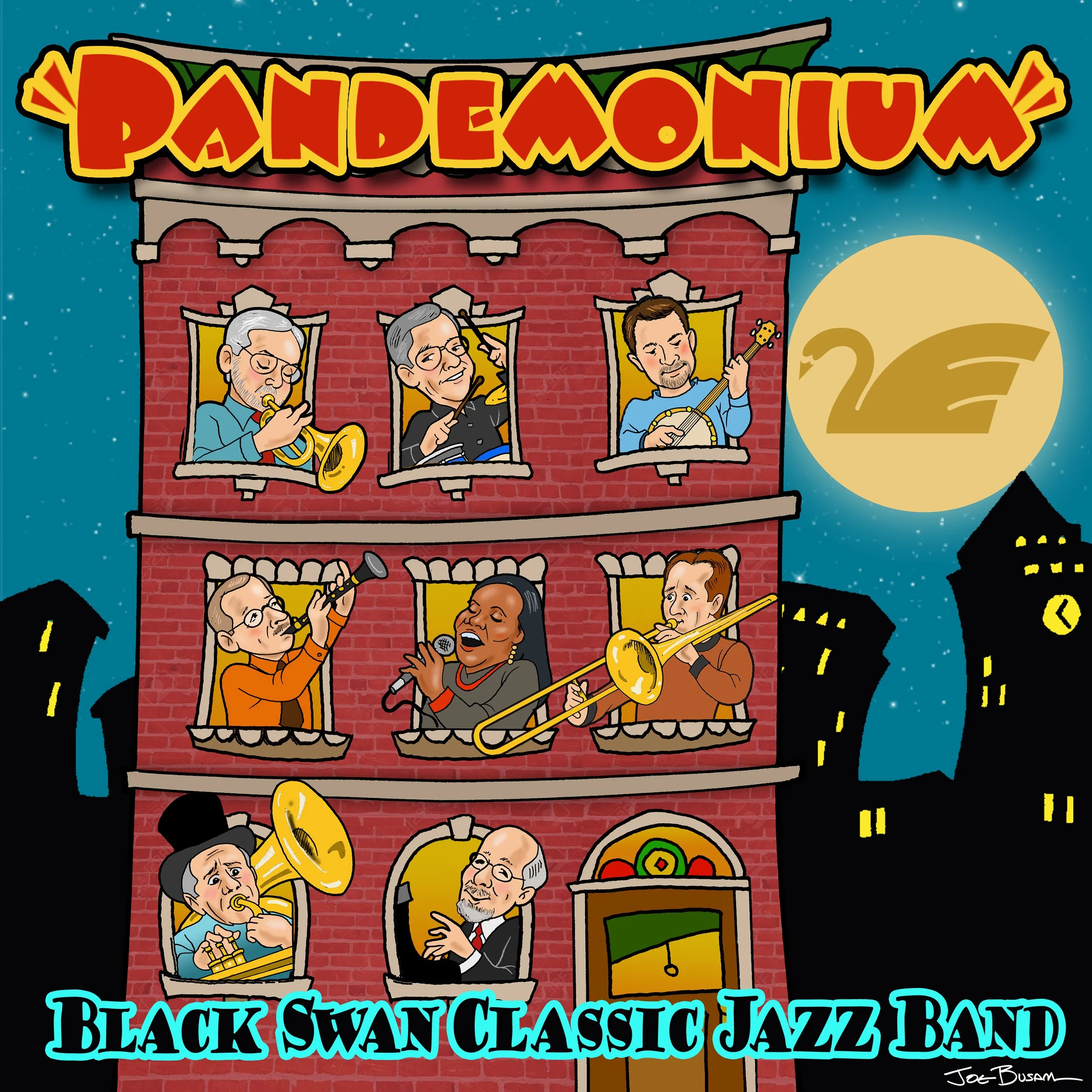
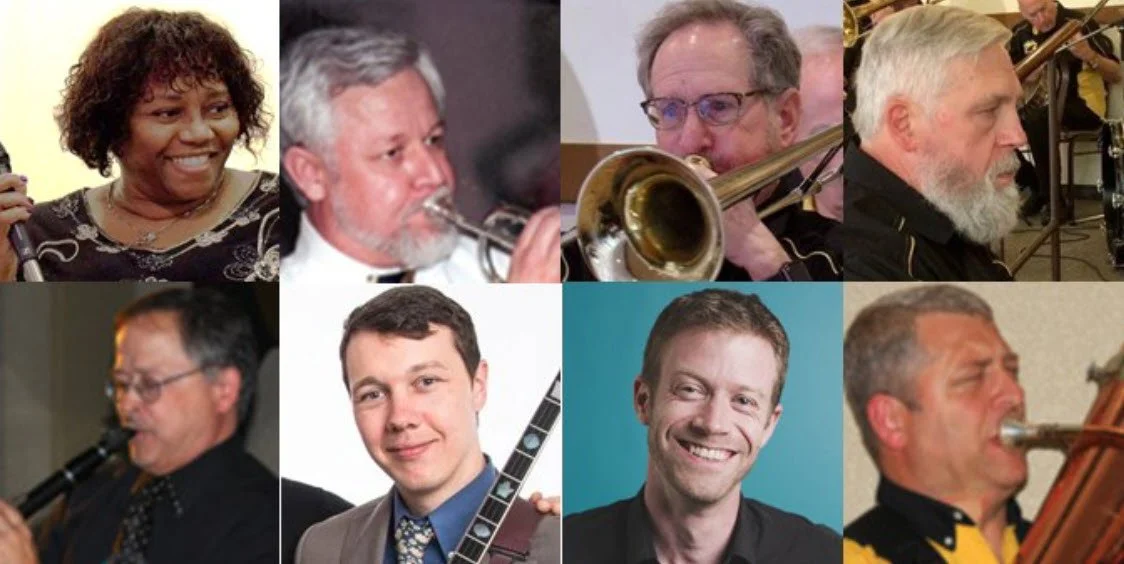
This November, the Black Swan Classic Jazz Band returns for its 16 th PSTJS appearance, continuing a relationship begun in 1992. This year’s roster draws from the same pool of musicians as in prior years:
Kit Johnson – Leader, tuba, and composer/arranger
Marilyn Keller – Featured vocalist
Rick Holzgrafe – Cornet
Andy Hall – Trombone
Steve Matthes – Clarinet and arranger
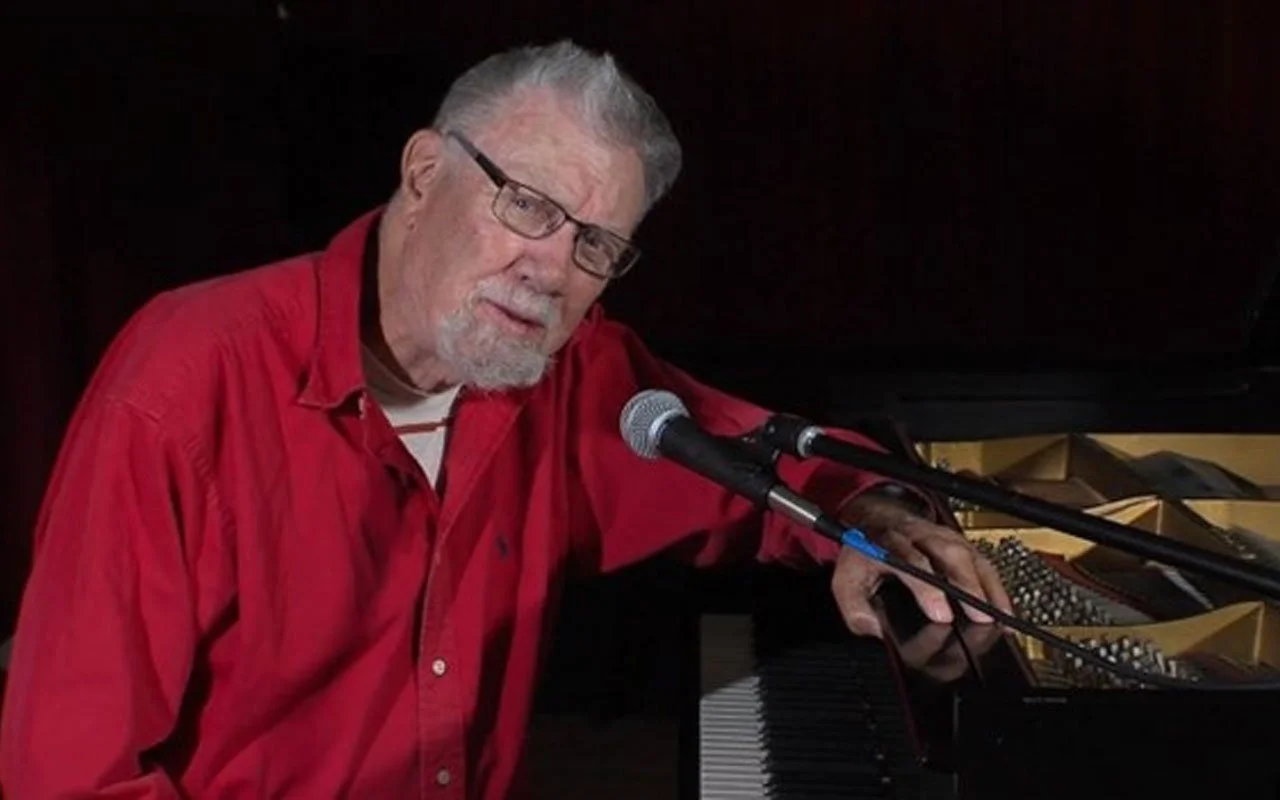
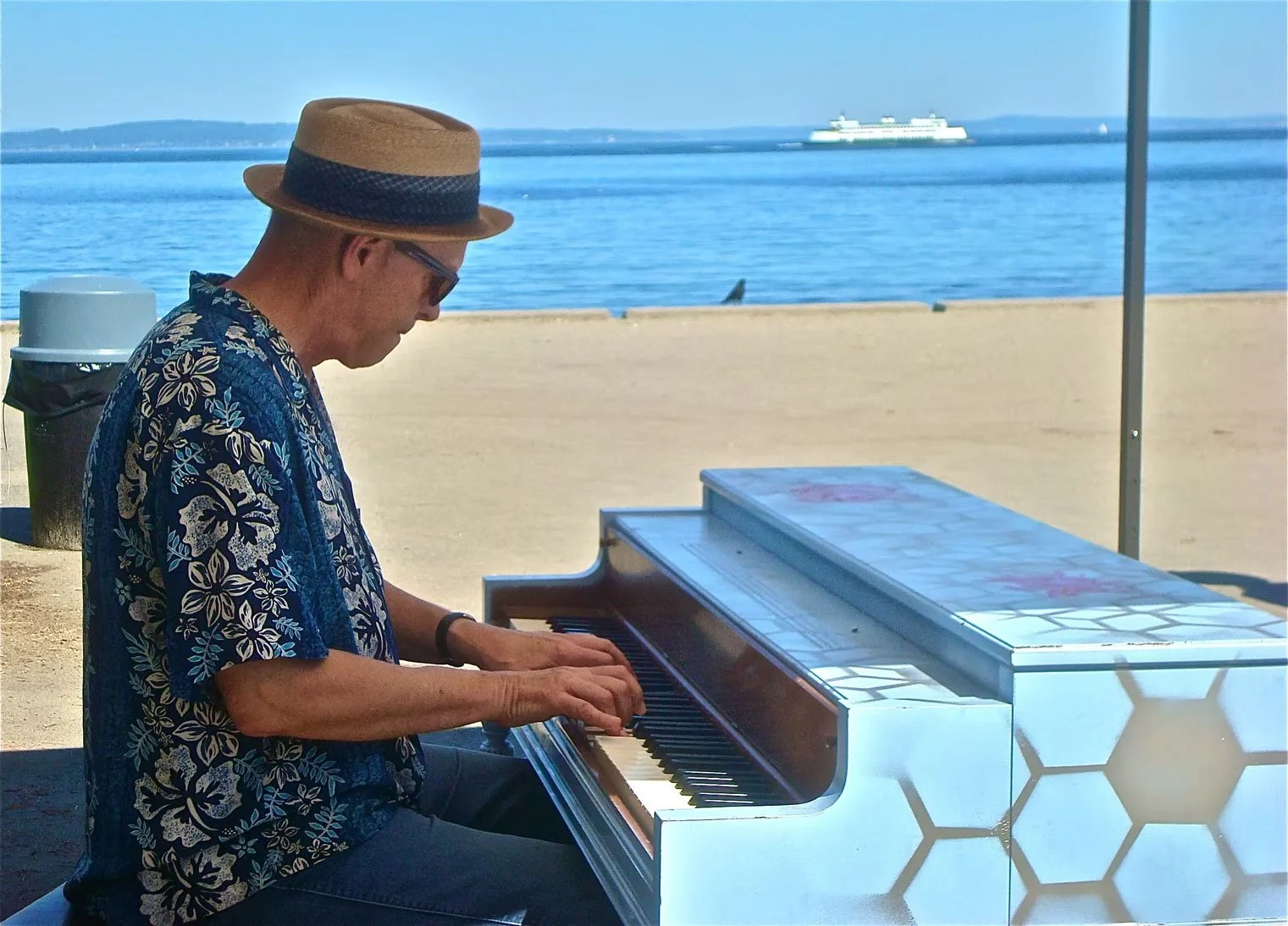
Ray Skjelbred – Piano
Arnt Arntzen – Banjo
Mike Daugherty – Drums
The Black Swan’s musical heritage spans multiple eras, linking the West Coast jazz revival inspired by the Lu Watters’ Yerba Buena Jazz Band in the 1940s, the West Coast festival boom of the ‘70s and ‘80s, and the vibrant Pacific Northwest festival scene that flourished from the 1980s to well into the 2000s. To better understand where the Black Swan fits into the picture (and how fortunate we are to still host them here in 2026!), we need to look closer at the history of the jazz revival.
The Foundation: The 1940s–1950s West Coast Revival
Drawing upon the King Oliver’s Creole Jazz Band’s two-cornet approach, Yerba Buena trumpeter and leader Lu Watters—alongside second trumpet Bob Scobey, clarinetist Bob Helm, and trombonist Turk Murphy—pioneered a “San Francisco Style” of jazz in the early 1940s. This was characterized by a brassy front line, a robust rhythm section featuring banjo and tuba, and a strictly structured ensemble interplay that featured more variety than the often-boring big-band arrangements and endless solos then in vogue.
When the Yerba Buena band dissolved in 1950, Murphy formed his own Turk Murphy Jazz Band, streamlining the ensemble by dropping the second trumpet and expanding the tradition to include more original compositions and a broader range of forgotten 19th-century rags and early blues. Ultimately, while Watters had sparked the West Coast revival, Murphy institutionalized it, giving it a home base for 24 years at his iconic jazz club, Earthquake McGoon’s, in downtown San Francisco (1960–1984).
The Golden Age: 1970s–2000s West Coast Festivals
By the mid-1970s, the revival entered its “halcyon festival years,” anchored by the annual Sacramento Jazz Jubilee and San Diego Thanksgiving festivals and the resulting surge of smaller festivals and jazz societies running up the coast from San Diego to Vancouver, B.C. California bands like the South Frisco, Golden Eagle, and High Sierra, carried the Watters/Murphy legacy forward by continuing to add repertoire and placing greater emphasis on the intricate arrangements of other early jazz giants.
By the mid-1980s, Seattle-based bands were among the most popular revival groups on the festival circuit. Bert Barr’s Uptown Lowdown, Tom Jacobus’ Evergreen Classic, and Bob Pelland’s Rainier and Grand Dominion jazz bands were drawing capacity crowds in Sacramento and San Diego. Eventually, the popularity of these Pacific Northwest bands led to the establishment in 1991 of the Greater Olympia Jazz Festival as a major jazz event on a par with those in the two California cities.
The Arrival of Black Swan (1989)
Although it arrived on the scene later than the older bands, the Black Swan Classic Jazz Band brought a new energy to the festivals and soon became a fan favorite. Formed in early 1989 in Oregon’s Willamette Valley by bandleader/tubaist Kit Johnson, the band embraced the core tenets and instrumentation of Turk Murphy’s music philosophy, even as it was continuing to expand the genre’s scope by creating its own library of fresh arrangements and original compositions.
The addition in 1992 of Marilyn Keller, a world-class Portland vocalist rooted in gospel, blues, and the theater, made the Black Swan virtually indispensable to any West Coast festival. Keller’s ability to deliver convincing performances in any setting separated the band from all others. Because of her gospel roots, the band practically owned the highly attended Sunday morning gospel sets at festivals. All told, the band appeared at over 15 festivals in Sacramento, 12 in San Diego, and 20 in Olympia.
The mega festivals, which were the direct offspring of the West Coast revival, have all died off now. The natural aging of the traditional-jazz generation has affected the audience sizes and the number of musicians, as well as the size of the volunteer forces that served as infrastructure for the festivals. So, too, the COVID restrictions of 2020 21 altered the economics of live music production, raising costs through supply-chain inflation and making low-margin, niche-genre festivals unsustainable.
Which brings us back to how special it is in 2026 to be able to present jazz featuring such a broad range of styles—from the music’s earliest days up to the West Coast revival. Years of playing together make for the tight presentation for which the Black Swan is famous, and their long-time backing of Marilyn Keller adds depth to her outstanding vocal performances. So, come on down to the Ballard Elks club for the band’s show on November 15, and bring your dancing shoes, as well as a friend or two!
Remember, those under 21 are admitted free when accompanied by an adult paying admission.